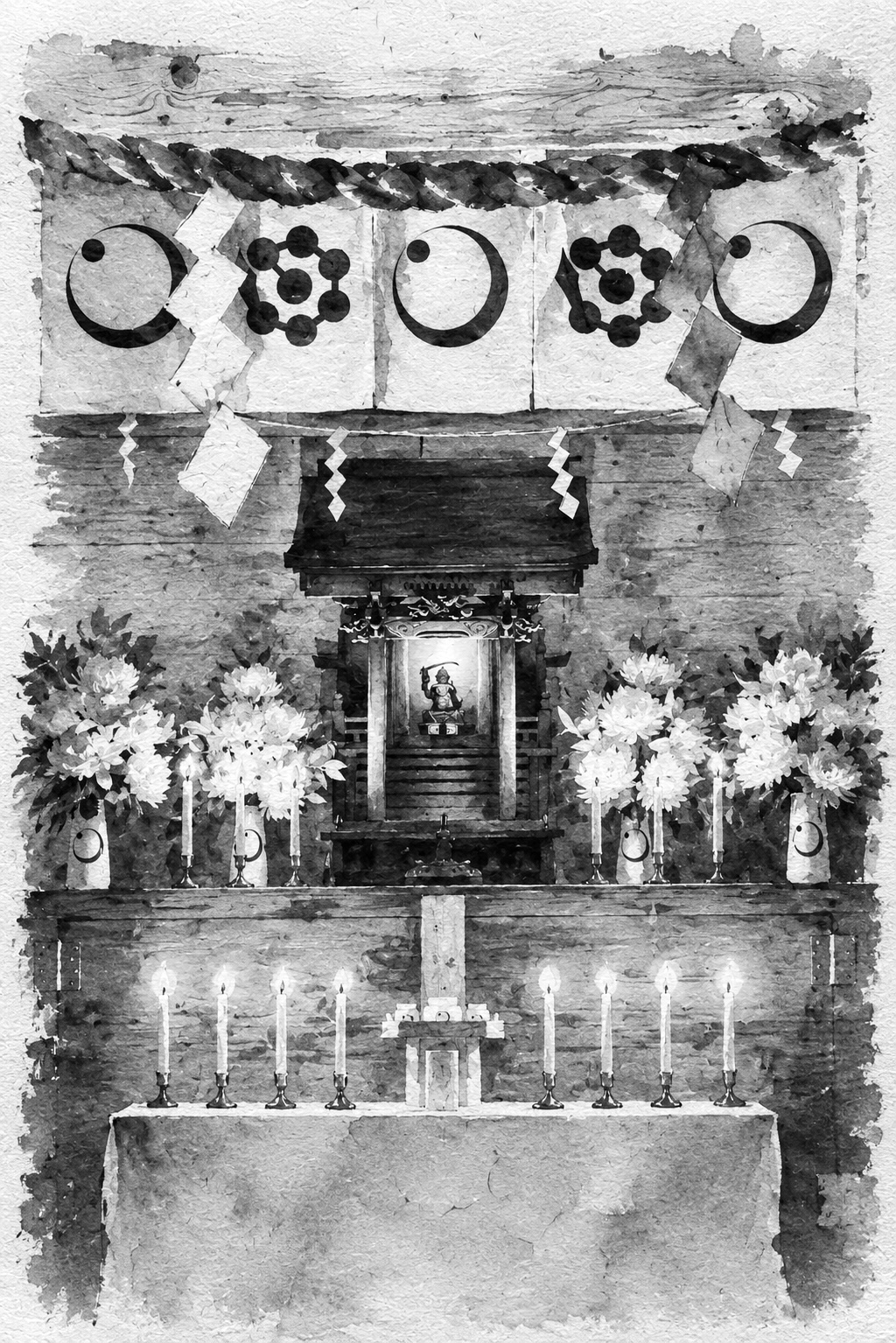
Hokushin-Jinja
The Hokushin-Jinja (Shrine of the North Star / 北辰神社), is a Japanese shrine dedicated to the Shinbutsu-Shūgō (syncretism of Shintōism and Buddhism / 神仏習合) deity Hokushin Myōken Sonjō-ō (the Venerable Star King Myōken of the North Star / 北辰妙見尊星王). It is also referred to as Myōken-Gū (Shrine of the Deity Myōken / 妙見宮).
Situated in Albisried near Lengenwang, within the beautiful Bavarian Allgäu region of southern Germany, the Hokushin-Jinja was established in 2026 by Ōtsuka Ryūnosuke Taira no Masatomo (大塚龍之介平政智 / born 1992), the 7th generation sōke (headmaster / 宗家) of the Hokushin Ittō-ryū Hyōhō, one of Japan’s most famous samurai schools of warfare, philosophy, strategy and etiquette.
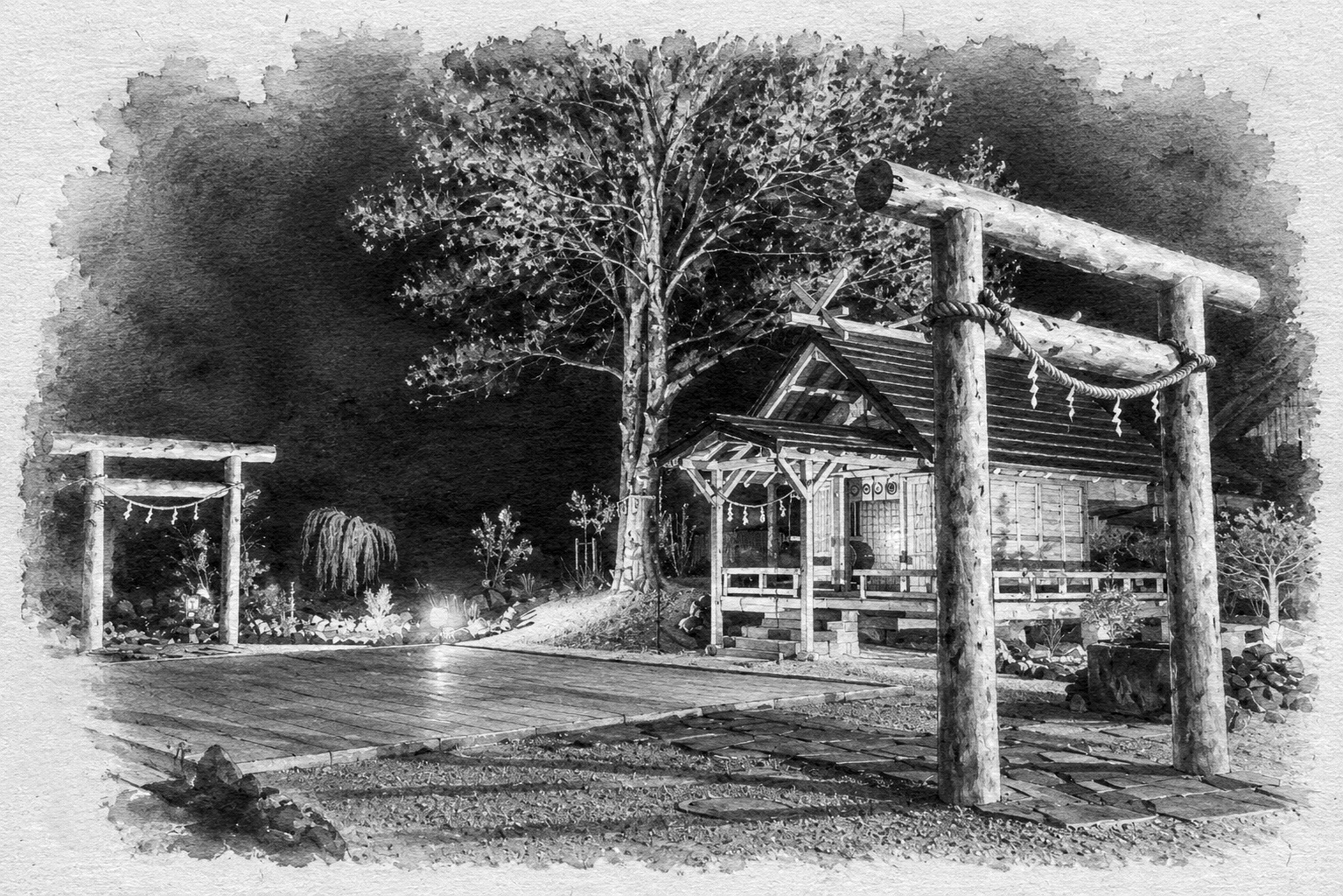
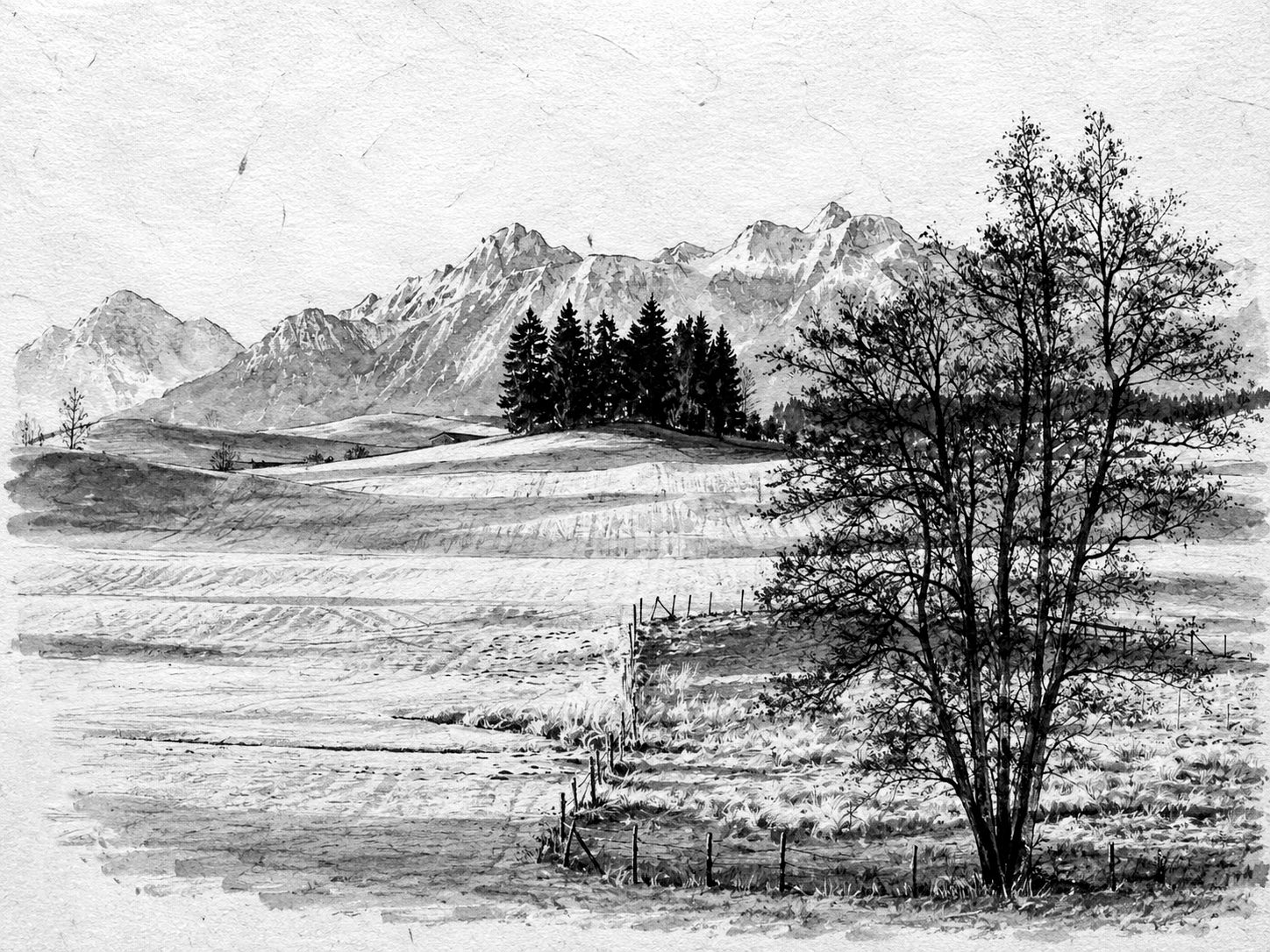
This jinja (shrine / 神社) dedicated to the kami (deity / 神) Myōken was built amidst a landscape of remarkable natural beauty and history. Resting beneath the foothills of the Alps and near the historic Romantic Road, the shrine is surrounded by forests, gentle hills, lakes, and ruins of ancient castles that have watched over the region for centuries. In this setting, where nature and history exist in quiet harmony, the Hokushin-Jinja continues an enduring spiritual tradition. Far from Japan, the land of its origins, this jinja (shrine / 神社) was established in a place whose atmosphere and tranquillity provide a fitting home for the ancient veneration of Myōken (妙見), the deification of the Hokushin (North Star / 北辰).
The Hokushin-Jinja welcomes all respectful visitors who wish to experience and learn about the spiritual traditions of Japan during its public ceremonies, cultural events, and official opening times. As a place dedicated to the preservation of Japanese spiritual culture, the Hokushin-Jinja seeks to offer insight into the ancient sacred traditions of the Shinbutsu-Shūgō (syncretism of Shintōism and Buddhism / 神仏習合), through which the veneration of Myōken has been transmitted for over a thousand years.
At the same time, it is important to understand that neither Shintō (Japan’s native nature religion / 神道) nor Bukkyō (Buddhism / 仏教) are regarded in Japan as a religion in the exclusive sense often understood in the West. In Japan, one does neither formally nor informally “join” a religion in the manner of belonging to a doctrinal faith. Rather, the kami (deities / 神) and butsu (buddhas / 仏) are considered a natural part of the world and everyday life, and each person may choose for themselves whether to believe in, venerate, or simply appreciate them and their respective shrines and temples as a part of Japan’s spiritual and cultural heritage.
In this spirit, the Hokushin-Jinja stands not only as a sacred place of worship of the deity Myōken, but also as a place of reflection, meditation and cultural exchange.
The Origins of the Hokushin-Jinja
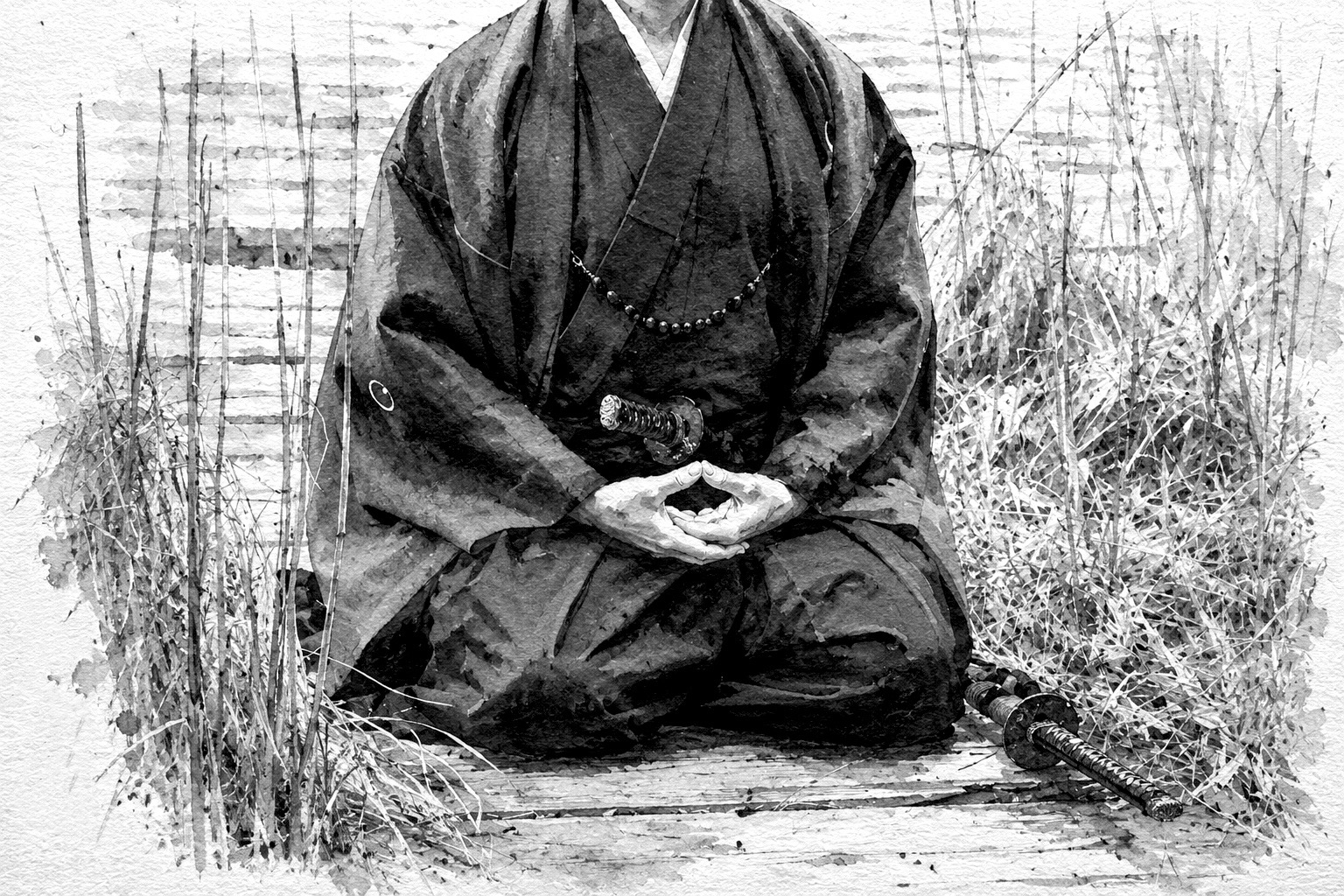
The origins of the Hokushin-Jinja are inseparably connected to the spiritual traditions preserved within the Hokushin Ittō-ryū Hyōhō (North Star One-Sword School of Strategy / 北辰一刀流兵法), often referred to simply as Hokushin Ittō-ryū. This school is regarded as one of Japan’s most renowned koryū (old samurai schools of warfare founded before 1868 / 古流), which was preserved in its entirety from the late Edo period (1603-1868) up to the present day.
Although formally founded in 1820 by the Kensei (Sword Saint / 剣聖) Chiba Shūsaku Taira no Narimasa (千葉周作平成政 / 1792–1856), the spiritual foundations of the Hokushin Ittō-ryū reached much further into the past. Its roots extended into the ancient bushi (warrior / 武士) traditions of the Chiba-shi (Chiba clan / 千葉氏) and its centuries-long devotion to Myōken, whose guidance had accompanied generations of buke (warrior families / 武家). Through this enduring connection, martial discipline, technique, and spiritual devotion became inseparably intertwined. This led to the Hokushin Ittō-ryū not merely preserving a martial tradition, but also a sacred heritage shaped by Myōken, the school’s official shugoshin or mamori-gami (protective deity / 守護神 or 守り神).
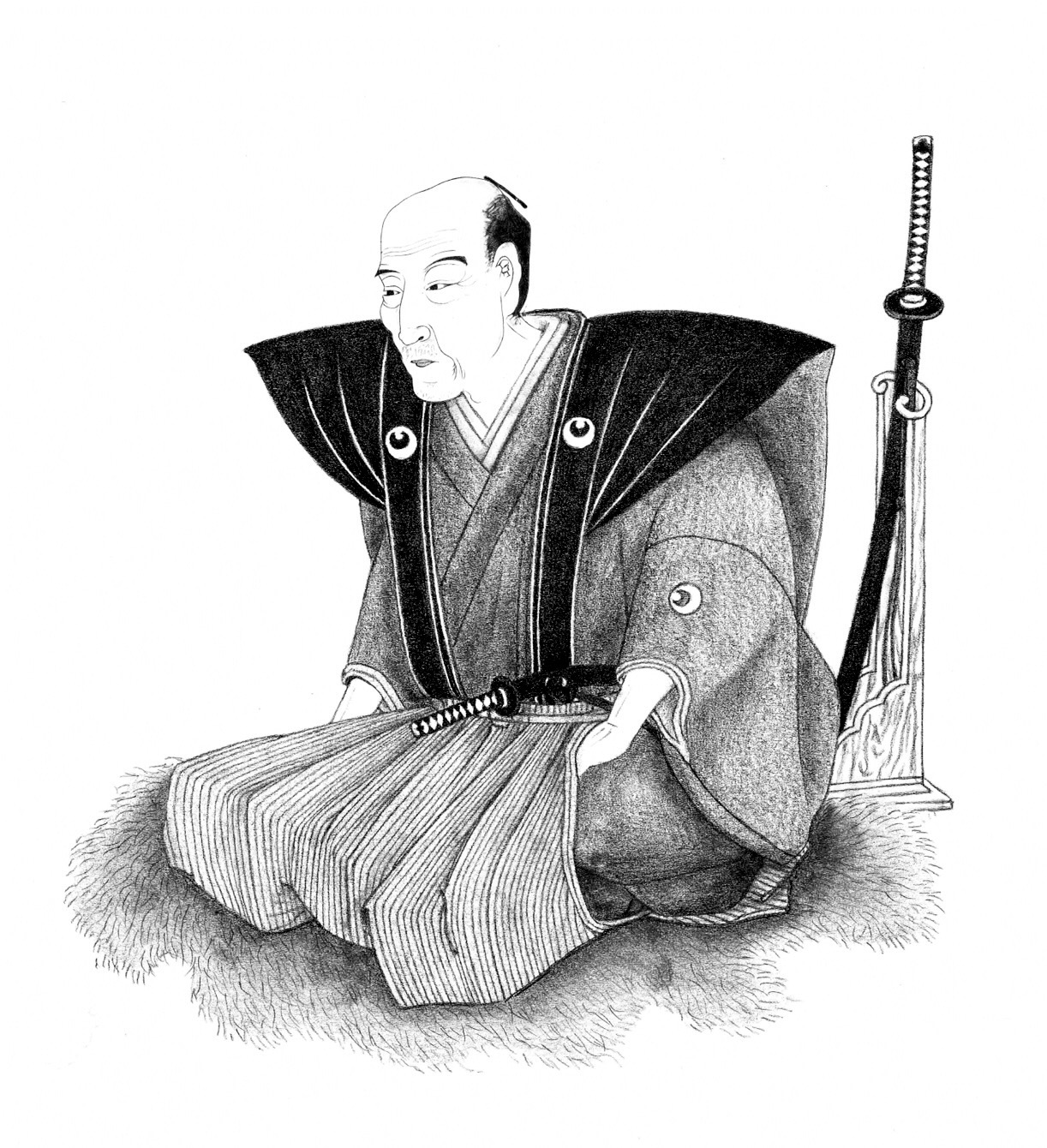
This enduring relationship between Myōken and the Hokushin Ittō-ryū continued to be preserved through generations and remained alive within the school’s sōke (headmaster / 宗家) lineage up to the present day. Within this famous samurai school, the ancient traditions surrounding Myōken and the original spirit of the Shinbutsu-Shūgō (syncretism of Shintōism and Buddhism / 神仏習合) continued to be carefully transmitted, preserving not only martial teachings, but also the spiritual foundations from which they emerged.
As the generations passed, the guardianship of the Hokushin Ittō-ryū Hyōhō eventually passed from the Chiba-ke (Chiba family / 千葉家) into the care of the Ōtsuka-ke (Ōtsuka family / 大塚家), itself an old buke (warrior family / 武家) and a descending branch family of the ancient Kanmu-Heishi (Taira clan line descending from the 50th Emperor of Japan, Kanmu 737-806 / 桓武平氏). Through this inheritance, not only the martial teachings of the school were entrusted to the Ōtsuka family, but also its spiritual traditions and sacred heritage. Like the Chiba family before them, the Ōtsuka family preserved devotion to Myōken not only as part of the teachings of the Hokushin Ittō-ryū but through its own history as the family’s ancient protective deity.
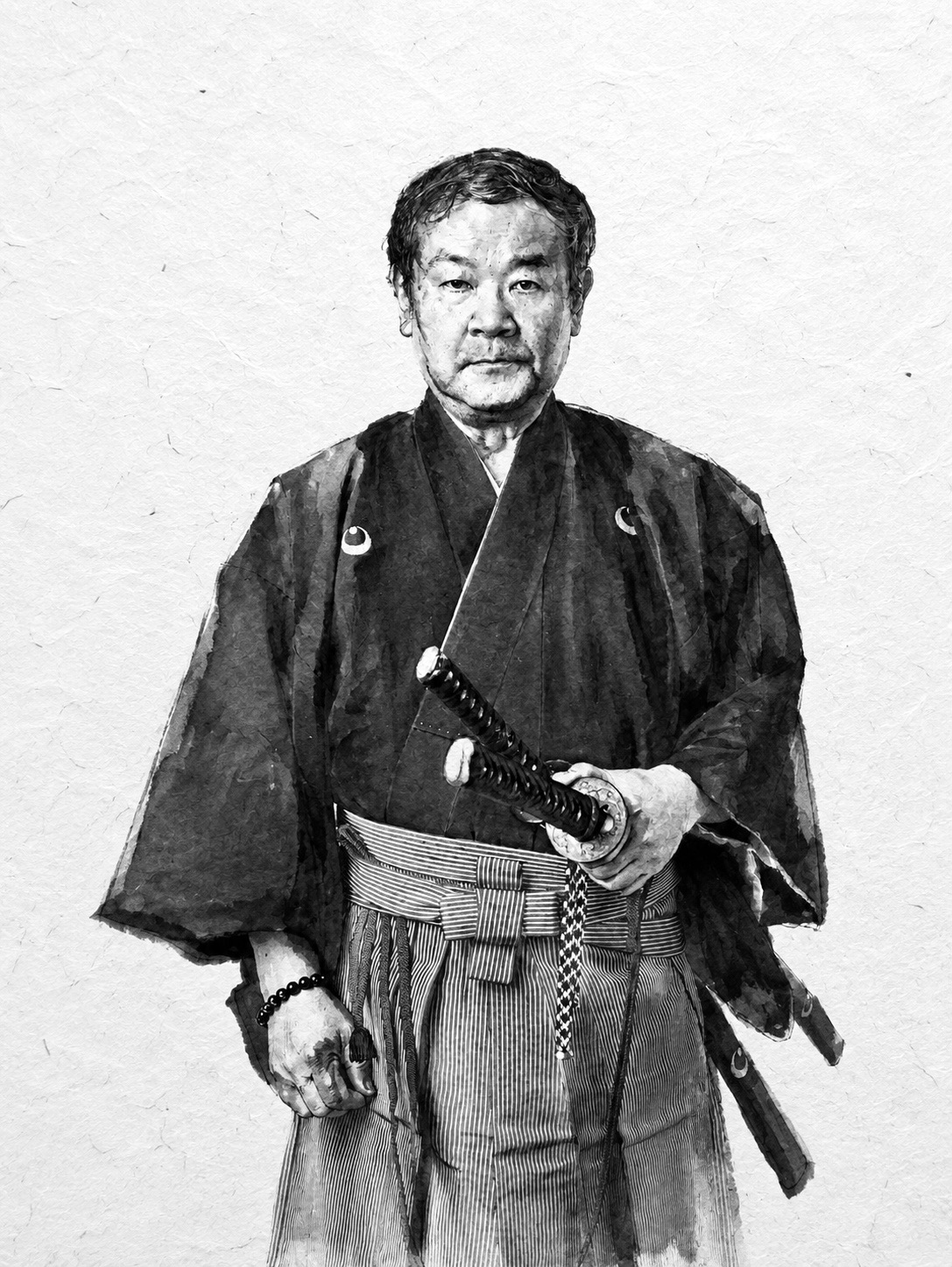
Like the Chiba family before them, the Ōtsuka family today continues the preservation of both the Hokushin Ittō-ryū Hyōhō as a martial tradition and the ancient spiritual devotion to Hokushin Myōken Sonjō-ō, carrying forward a faith that has accompanied warrior lineages beneath the Hokushin (North Star / 北辰) for centuries. This continuity has been carried forward to the present generation through Ōtsuka Ryūnosuke Taira no Masatomo (大塚龍之介平政智 / born 1992), the 7th generation sōke (headmaster / 宗家) of the Hokushin Ittō-ryū, who was legally adopted into the Ōtsuka-ke (Ōtsuka family / 大塚家) by his master and predecessor, the 6th generation sōke (headmaster / 宗家) Ōtsuka Yōichirō Taira no Masanori (大塚洋一郎平政徳 / born 1952).
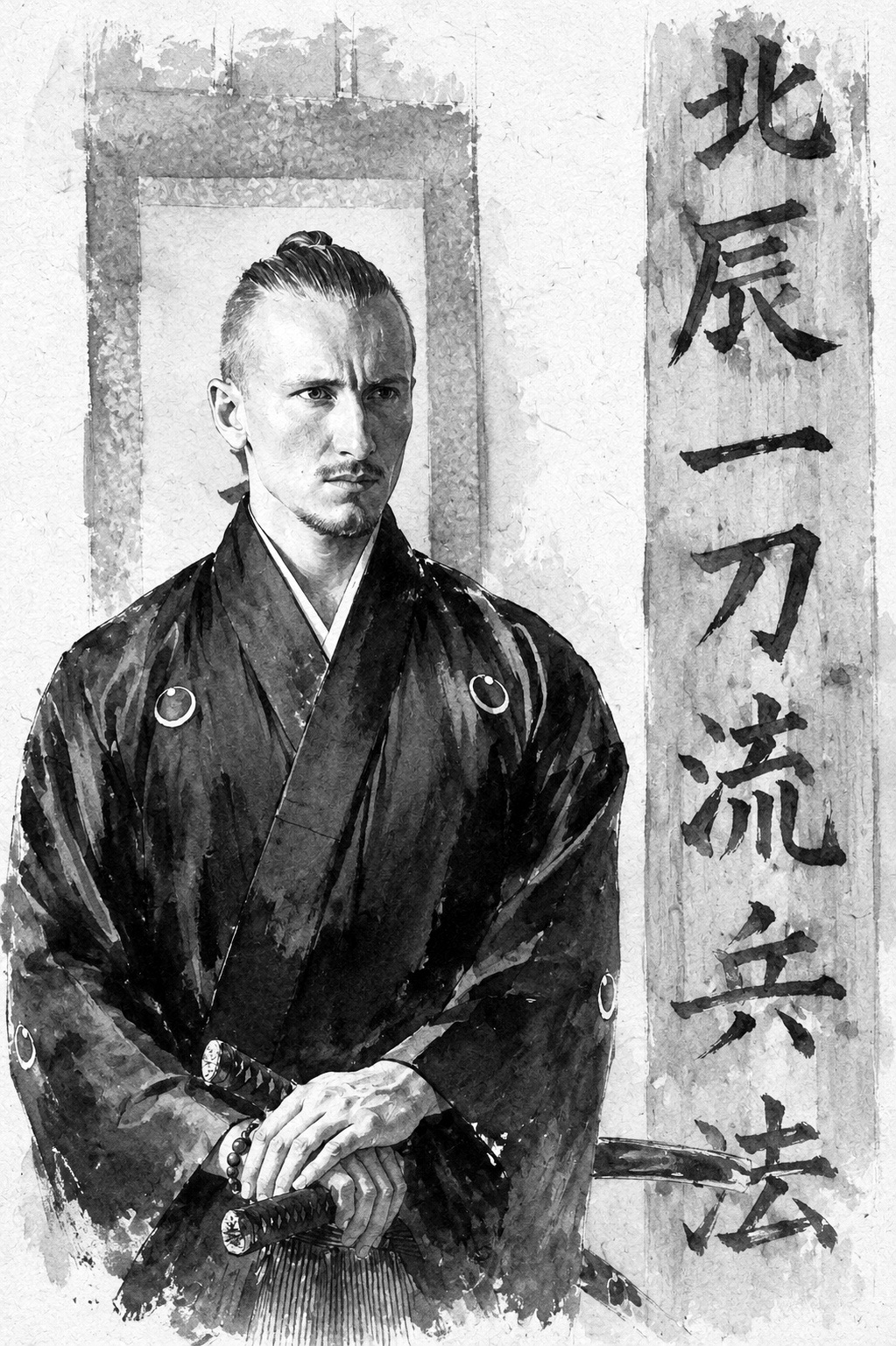
Under the stewardship of Ōtsuka Ryūnosuke, the history of the Hokushin Ittō-ryū entered a new chapter extending beyond the shores of Japan. Following his appointment as the 7th generation sōke (headmaster / 宗家), the historic Chiba-Dōjō (千葉道場) — originally established in Edo (present-day Tōkyō / 江戸) in 1848 by the 1st sōke (headmaster / 宗家) Chiba Sadakichi Taira no Masamichi (千葉定吉平政道 / 1797–1879), the younger brother of the founder of the Hokushin Ittō-ryū — was relocated from Tōkyō to Munich, Germany, in 2016. This transition was undertaken to strengthen the future of the tradition, support its continued growth, and allow the teachings of the Hokushin Ittō-ryū to reach a broader international community.
In 2025, the Chiba-Dōjō was moved once more to Albisried within the municipality of Lengenwang in Bavaria, southern Germany, where it now stands together with the Hokushin-Jinja as the honbu (headquarters / 本部) of the Hokushin Ittō-ryū Hyōhō worldwide — dedicated to preserving and transmitting the martial, cultural, and spiritual heritage of the school for future generations.
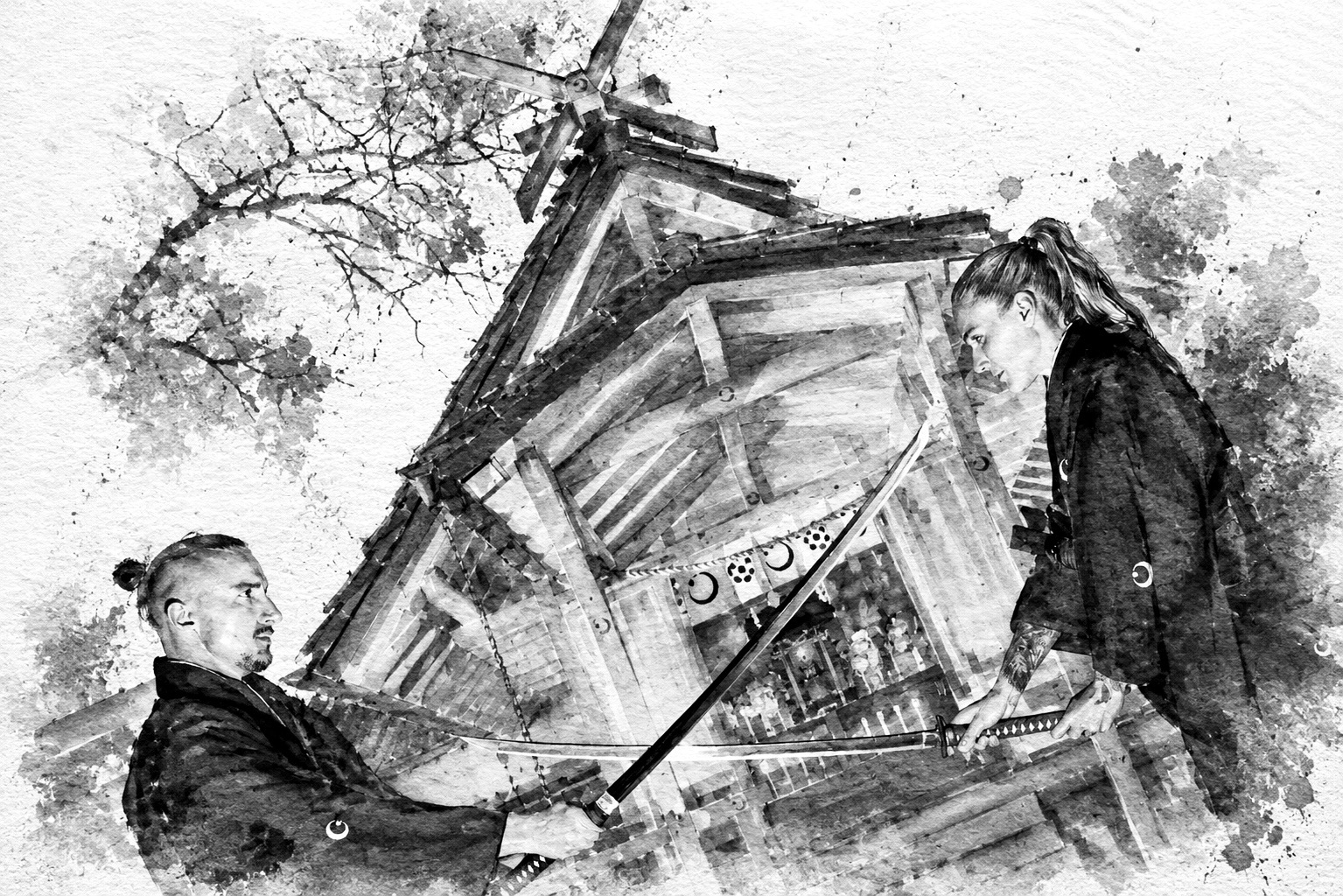
The Establishment of the Hokushin-Jinja
For Ōtsuka Ryūnosuke, the preservation of the Hokushin Ittō-ryū had never concerned martial teachings alone. Like the generations before him, his devotion to Myōken remained inseparable from the spirit of the tradition itself.
Born originally as a native German with the name Lösch Markus, Ōtsuka Ryūnosuke left his homeland when he was eighteen years old and moved to Japan in pursuit of studying an authentic koryū (old samurai school of warfare founded before 1868 / 古流), which led to him enrolling as a student in the Hokushin Ittō-ryū. Over the years, his journey unfolded in an unforeseen way. After becoming the foremost disciple of the 6th generation sōke (headmaster / 宗家) of the Hokushin Ittō-ryū, and receiving the menkyo-kaiden (license of full mastery and transmission of all physical and spiritual teachings / 免許皆伝) in 2014, he was legally adopted into the Ōtsuka family by his teacher and predecessor. Thus, becoming the designated successor to one of Japan’s most renowned samurai schools and inheritor of a tradition whose roots extended back through generations of bushi (warrior / 武士) culture.
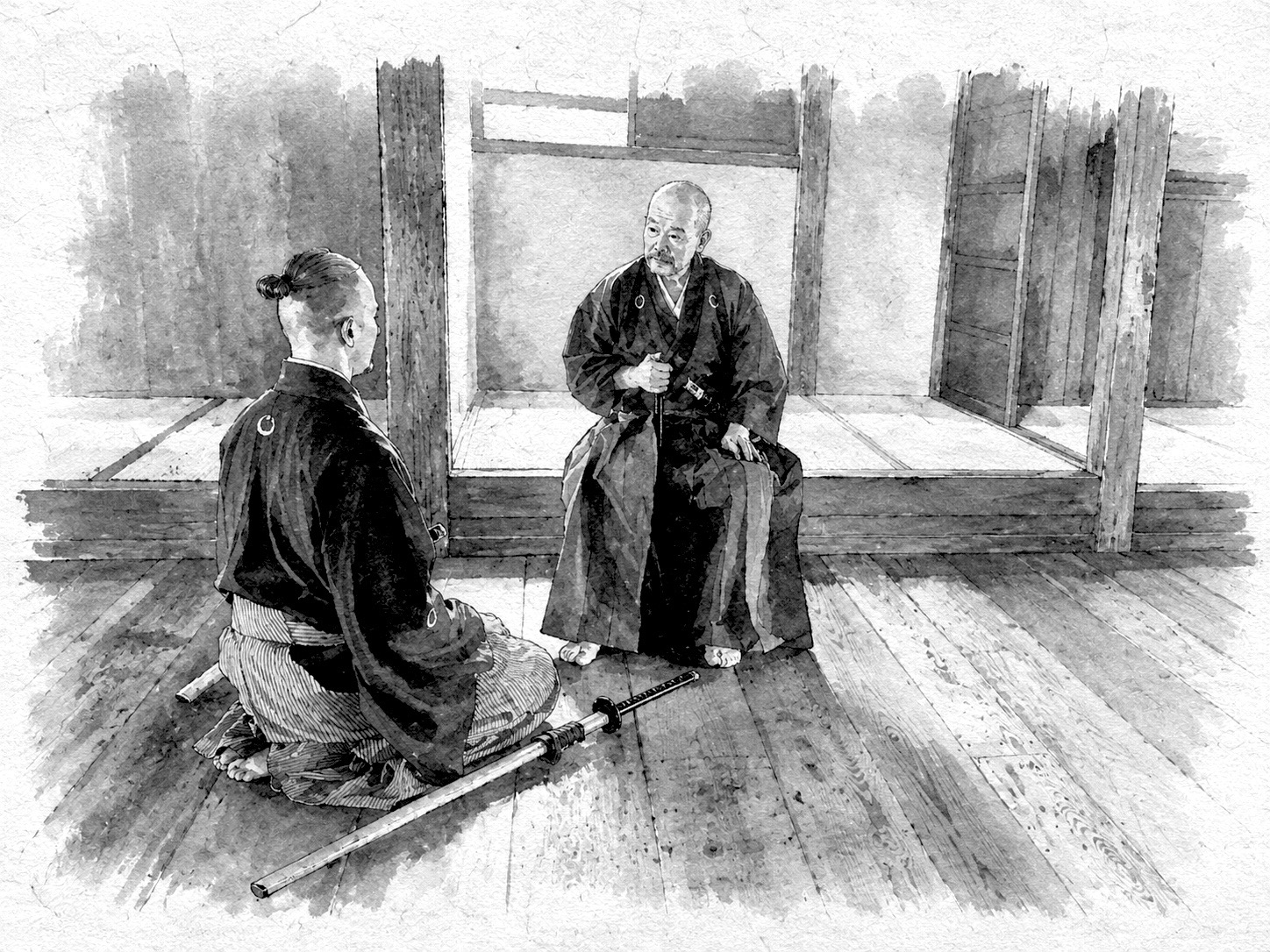
Such an unusual path through life profoundly shaped his vision of the world. Experiencing a journey that seemed guided by circumstances beyond his wildest expectations, he came to regard the concepts of shukumei (fate that one cannot control or alter / 宿命) and unmei (fate that one can control or alter through actions / 運命) in a deeper sense. Through his understanding of those concepts, he started to feel a connection to Myōken, the divine protector of the Hokushin Ittō-ryū and his new adoptive family. This connection grew stronger and stronger over the years, and turned into spiritual devotion.
After taking over the school as the 7th generation sōke (headmaster / 宗家) in 2016, Ōtsuka Ryūnosuke made a personal prayer and promise to Hokushin Myōken Sonjō-ō: that should Myōken continue to protect the Hokushin Ittō-ryū and guide it towards continued growth and prosperity, he would establish a jinja (shrine / 神社) in the honor of Myōken at some point when acquiring his own property in the future. For him, the preservation of the Hokushin Ittō-ryū had never concerned the martial and theoretical teachings of the school alone. Like the generations before him, devotion to Myōken remained inseparable from the spirit of the tradition itself. Over the years, as the Hokushin Ittō-ryū continued to grow and overcome many challenges under his leadership, the personal devotion of Ōtsuka Ryūnosuke to Myōken further deepened.
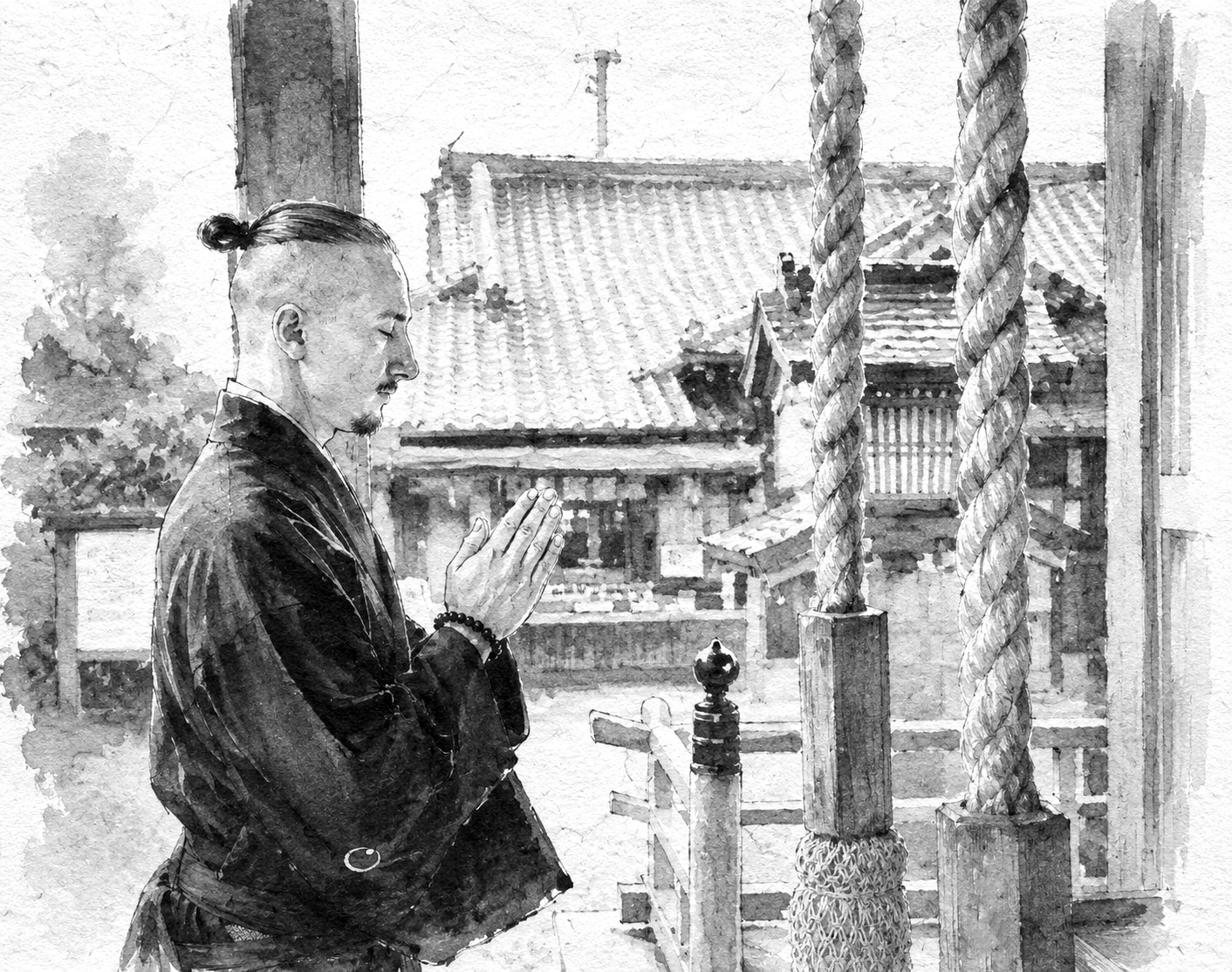
In what Ōtsuka Ryūnosuke himself regarded as another unexpected twist of fate, circumstances arose in 2025 that allowed a long-held vision to become reality. An unexpected inheritance provided him with the financial means to purchase a large estate with sufficient land to create a permanent home for the Chiba Dōjō in Lengenwang, in the Bavarian Allgäu region.
Thus, in 2025, the Chiba-Dōjō was relocated once more. In its new location, the estate underwent extensive restoration and transformation, creating not only a new gravitational honbu (headquarters / 本部) for the Hokushin Ittō-ryū Hyōhō worldwide, but a place where martial training, daily life, and spiritual practice could continue side by side.
Remembering the promise he had once offered in prayer to Myōken, Ōtsuka Ryūnosuke regarded these events not simply as a fortunate series of events, but as the realization of a fated path that unfolded across many years. It was through this understanding that the Hokushin-Jinja ultimately came into being. Established in 2026 — ten years after the official shūmei-hirō (succession ceremony / 襲名披露) of Ōtsuka Ryūnosuke as the 7th generation sōke (headmaster / 宗家) — the shrine was constructed as the spiritual heart of the new Chiba-Dōjō and as the fulfilment of the promise once offered to Myōken in prayer. At the same time, it stands as an expression of gratitude for the divine protection, guidance, and continued prosperity granted to the Hokushin Ittō-ryū throughout the generations.
Founded as the first jinja (shrine / 神社) of its kind in Europe, the Hokushin-Jinja preserves the ancient veneration of Hokushin Myōken Sonjō-ō according to the traditions transmitted within the Hokushin Ittō-ryū Hyōhō itself, maintained in their original and pristine Shinbutsu-Shūgō (syncretism of Shintōism and Buddhism / 神仏習合) form.